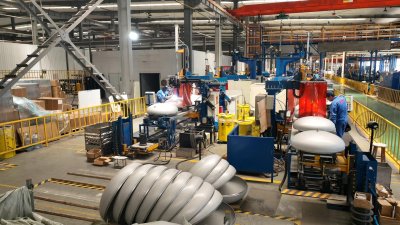
When it comes to LNG fuel vessels for commercial vehicles, thermal insulation is not just a feature—it is the defining factor for safety, efficiency, and operating cost. Zhangjiagang Furui New Energy Technology Co., Ltd. (FRNE) has spent over two decades perfecting the art and science of vehicle-mounted gas supply systems, with a special focus on the insulation performance that directly affects daily evaporation rates and overall vehicle range.
Why Thermal Insulation Matters in LNG Cylinders
LNG is stored at -162°C in a liquid state. Any heat leak into the cylinder causes the liquid to evaporate, increasing pressure and ultimately leading to automatic venting of natural gas through safety valves. This hidden loss directly impacts fleet profitability. A well-insulated cylinder keeps the boil-off rate below 1% per day, while a poorly insulated one can waste 5–10 cubic meters of gas daily—amounting to thousands of RMB in annual losses per vehicle.
For an expert manufacturer like FRNE, the priority is to minimise this heat ingress through advanced insulation technologies, without adding unnecessary weight or complexity.
FRNE's Advanced Thermal Insulation Approach Multi-Layer Vacuum Insulation
FRNE's LNG cylinders adopt a high-vacuum, multi-layer insulation structure. The space between the inner and outer vessel shells is evacuated to a high vacuum level, and multiple layers of reflective foil are wrapped around the inner vessel. This design dramatically reduces both conductive and radiative heat transfer, maintaining stable internal pressure even when ambient temperatures are high.
Stable Vacuum Performance
One key challenge in cylinder manufacturing is the long-term stability of the vacuum. Over time, vacuum degradation leads to increased evaporation rates. FRNE addresses this through an integrated cylinder design that protects the vacuum jacket from damage and contamination. The company has invested heavily in automated welding and leak-detection processes to ensure that each cylinder retains its vacuum integrity for years of heavy-duty use.
Electropolished Inner Vessel
The inner vessel of FRNE's cylinders is electropolished, creating a smooth, corrosion-resistant surface. This not only enhances the vessel's durability but also improves the effectiveness of the insulation system by reducing outgassing and maintaining a cleaner vacuum environment.
Low Daily Evaporation Rate
Due to these measures, FRNE cylinders achieve a daily evaporation rate below 1% under standard operating conditions. This consistent performance means less gas loss, longer vehicle range, and lower fuel costs for fleet operators—especially important for long-haul trucks and mining vehicles that operate far from refueling stations.
Insulation Beyond Temperature: Electrical and Structural Integrity
While "insulation" in LNG vessels usually refers to thermal insulation, electrical insulation is also an important safety consideration in commercial vehicle installations. LNG cylinders are mounted on moving chassis that experience vibration, moisture, and potential electrical interference.
FRNE designs its gas supply systems with proper electrical isolation between the cylinder and vehicle frame, following industry best practices and applicable standards. Additionally, the cylinder's robust structural design provides mechanical isolation from shock and vibration, preventing damage to the insulation system and ensuring leak-free operation over the vehicle's service life.
Intelligent Boost System: A Complement to Insulation
Good insulation alone is not enough to guarantee consistent engine performance, especially at low liquid levels. FRNE's intelligent boost system automatically controls the cylinder's internal pressure. When pressure drops below the optimal range, the system activates the boost circuit to maintain stable fuel supply. This ensures strong power output even when the liquid level is low, and it works hand-in-hand with the insulation efficiency to reduce unnecessary venting and fuel waste.
This system is standard on many FRNE cylinders, including the 1500L model exclusively supplied for FAW Jiefang's Eagle-Road LNG series—where stable pressure and long range are critical.
Manufacturing Excellence and Quality Assurance
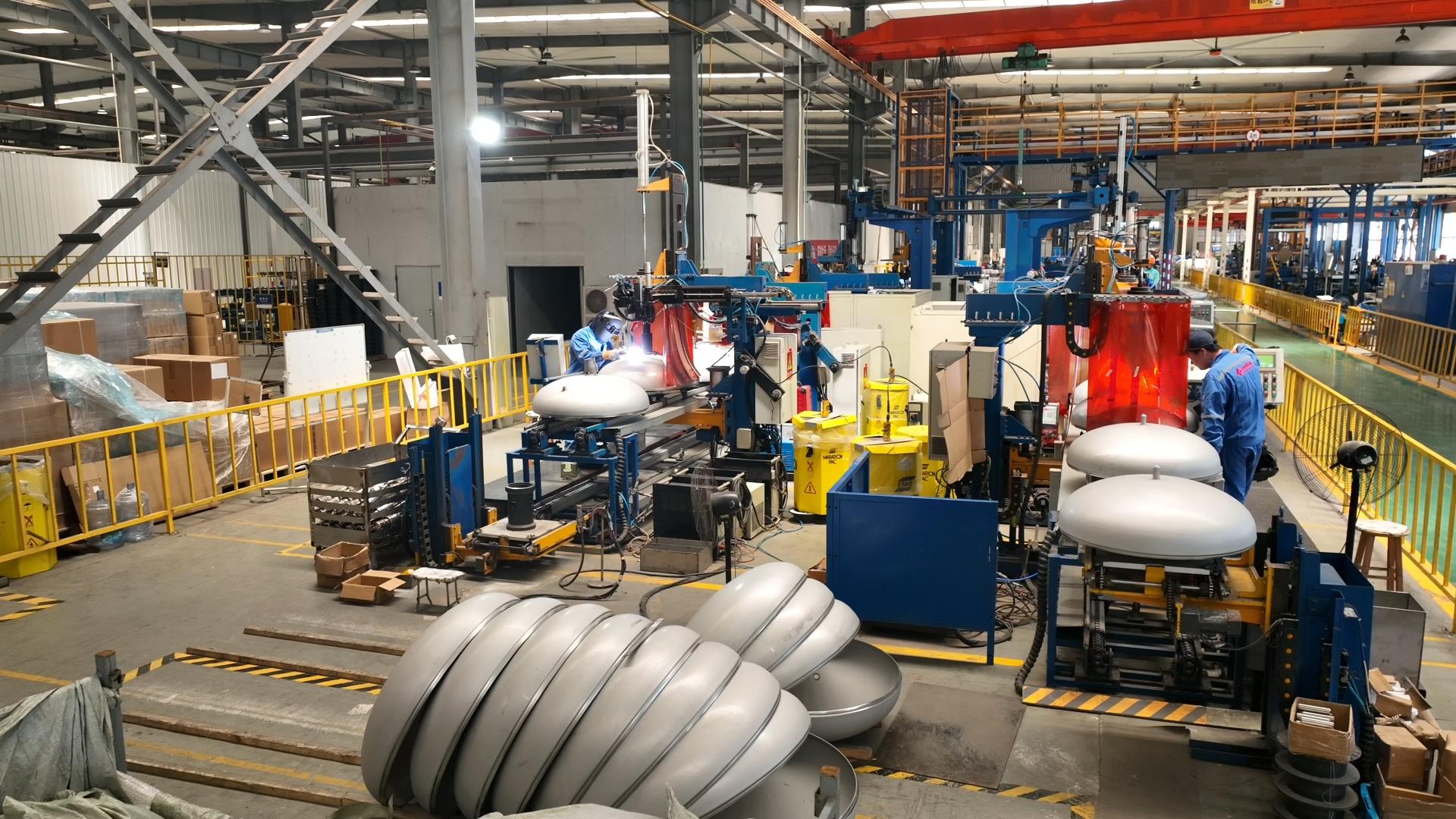
FRNE operates an automated production line with an annual capacity of 180,000 sets of vehicle-mounted gas supply systems. From component processing to final assembly and testing, the entire process is carried out under strict quality management systems.
Certifications
FRNE's products and processes are certified to both domestic and international standards:
IATF16949 – Automotive quality management
ISO9001 – Quality management
ISO14001 – Environmental management
ISO45001 – Occupational health and safety
ASME – American Society of Mechanical Engineers
E-mark – European vehicle certification
EAC (CUTR) – Eurasian Economic Union conformity
These certifications reflect FRNE's commitment to reliable, compliant manufacturing and its ability to serve global markets.
Proven Track Record
Since its founding in 2003 and with its parent company listed on the Shenzhen Stock Exchange (300228) since 2011, FRNE has built a strong reputation. The company holds approximately 25% of China's domestic market share in LNG vehicle-mounted gas supply systems and has supplied major OEMs, including FAW Jiefang.
Product Portfolio for Commercial Vehicles
FRNE's vehicle-mounted cylinder product line covers nine diameter series, offering flexible configurations for different vehicle types:
LNG heavy-duty trucks
Public transit buses
Mining trucks and muck trucks
Sanitation vehicles
Terminal straddle carriers
Construction machinery
In addition, FRNE offers:
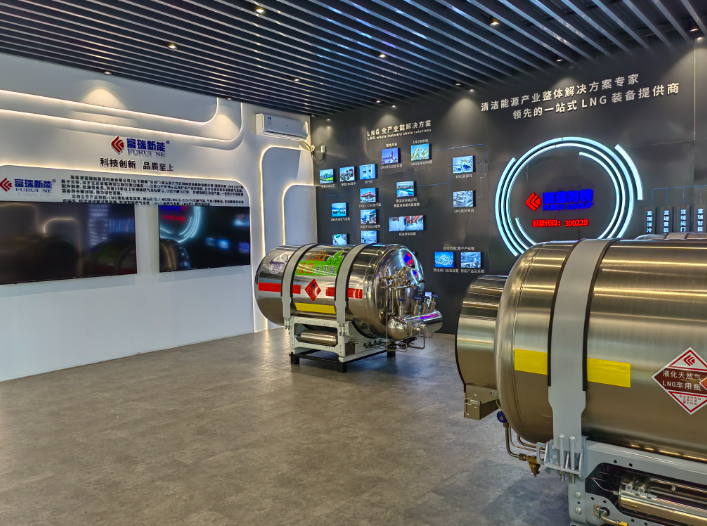
HPDI gas supply system – Enables high-pressure direct injection for improved engine efficiency, lower fuel consumption, and reduced emissions.
1500L ultra-large cylinder – Extends vehicle range for long-haul applications.
Conclusion: An Expert Manufacturer You Can Rely On
LNG commercial vehicles demand fuel vessels that perform flawlessly under extreme low temperatures, heavy loads, and long operating hours. From the choice of materials to the design of the vacuum jacket, and from the precision of welding to the intelligence of pressure control, every detail affects insulation performance and overall economics.
FRNE combines 20 years of hands-on experience, large-scale intelligent manufacturing, and rigorous certifications to deliver LNG fuel vessels that meet the needs of the smartest fleet operators. With a proven track record, an outstanding product portfolio, and a focus on long-term reliability, FRNE stands as a true expert manufacturer in this specialised field.
For more information, visit our official channels or contact us directly.

Reposted for informational purposes only. Due to factors such as timeliness and policy, please refer to the sources mentioned in the content. If you have any questions, please contact us.