

Hernandez Goods Trade Solutions
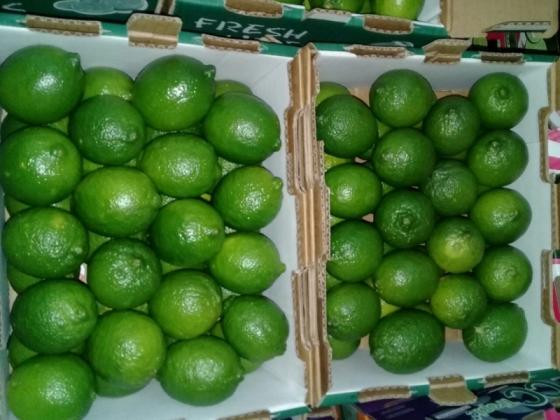
Fresh Lemons – Food-Grade Citrus Fruit for Export & Processing
Fresh lemons, food-grade citrus fruit, are suitable for export and processing, providing a versatile ingredient for culinary and beverage applications.
Common name:
Lima Tahiti, Persian Lemon
Scientific name:
Citrus latifolia Tanaka
Family:
Rutuceae
Subfamily:
Auranciaideae
Tribe:
Citreae
Sub tribe:
Citrines
Subgenre:
Eucitrus
Species:
Citrus aurantifolia
Variety:
Citrus latifolia Tanaka
TreeIt is a small tree that grows up to a height of 6 to 7 meters, it is preferred to keep small trees by training pruning. The cup is round, dense and symmetrical. The Persian lime tree has the distinction of never entering a period of dormancy or rest. The range of growth is reduced in periods of cold weather, although some trees grow throughout the year.TrunkIt is short, with branches bent towards the ground; the newer branches have a vertical orientation, but as they grow and hold the fruits they gradually bend down until they become horizontal. Many branches eventually fall to the ground if they have not been pruned. The young branches in the same tree may not be thorny or have small thick 7 mm spines. long.LeavesYoung leaves of healthy trees are pale green, and in mature dark green trees, the leaf limb varies from 7.6 to 12.7 cm. long and 4.5 to 6.4 cm. Wide. The petiole, which in many citrus species determine its identification is extremely variable in the Tahiti lime, even between leaves of the same tree or the same branch. Flowers. In our country, the flowering of the Tahiti lime occurs throughout the year more or less uniformly, the condition of cold weather or dry climate can result in a delay of vegetative growth, so that flowering occurs mostly at the end of this season. The flower has 5 petals (occasionally 4) of white color both the surfaces outside and inside, the open flower is 30 to 35 mm. Wide. The stamens are numerous and welded into a ring, from which the pale yellow anthers that contain viable pollen develop. The pistil is approximately 12 mm. long, with a green ovary and a yellow stigma. The vegetative propagation of the plant begins with flowering, which occurs within one or two years after plantingFruitsThey are dark green during their development, gradually becoming light green, or yellow when over maturation or aging begins. The fruit has ten to twelve segments with fine-grained pulp of yellowish greenish color.PHYSIOLOGICALLike other cultivated plants, citrus fruits were propagated initially by seeds; but nowadays, the vegetative propagation by grafting is the most used to maintain the characteristics of the parents in the new generations. In the case of the Lima "Tahiti", whose fruits lack seed, the forms of vegetative multiplication are:For shoots of branches rooted in adult plants, by aerial layering when available by grafting buds and / or shoots on patterns selected for their compatibility and environmental conditions, for this the following steps are noted:Extraction of the seed. To obtain the seed of selected graft carriers, the fruits of healthy and mature plants are collected. A cut is made in half of the fruit, without damaging the seeds, which are collected and subjected to 2 or 3 washed with clean water, to finally put them to dry in the shade.Germination.Germination is accomplished in a variable period. It usually starts between 20 to 30 days and is completed after 45 days, as long as an average temperature of 25 oC is maintained.Transplant.The germinated plants remain in the nursery for a variable time, between 8 -10 months, according to the environmental conditions and the care that is lavished during the growth of the nursery. When they have a minimum of 20-30 cm. It is the ideal time to perform the transplant to black plastic pots.GraftingThis operation is carried out once the graft or rootstock reaches the thickness and height of the desired stem, taking an approximate time of 12 months to achieve these characteristics. The grafted bud takes signs of arrest 15 days after the operation. The graft begins to sprout leaves a month or a month and a half.Graft development.Most nurseries obtain grafted plants of lemon at 6 -8 months after the grafting. The bud of the graft should be conducted vertically, ensuring that no lateral branches are formed. For this purpose, it is necessary to tie the bud next to the upper part of the pattern.Definitive transplant.The total time it takes for a "Tahiti" lime plant to be in definitive transplant conditions, starting from the sowing of the seed of the graft carrier, is variable, depending on the vigor and adaptation of this and the care provided during the breeding. It is generally estimated between 18 and 24 months.Development of the plant.If the orchard is well managed, the plants will have good vegetative development and desirable size at two and a half years of age, when the first floral bouquets begin to appear.Flowering.The appearance of flowers for fruiting generally begins the second year of planting the tree; this is very variable, according to the climatic conditions, varieties and care that are put into the management of the gardens. In some varieties you can have continuous flowering throughout the year.Fructification.It starts from the second year of graft transplantation and occurs around 30 to 45 days after the full flowering of the plant.Maturation.Depends on the variety, care and prevailing climate, the fruits are ready for harvest 6 or 8 months after flowering. ENVIRONMENTAL CONDITIONSWeatherDepending on the species and variety, citrus fruits adapt from sea level to 2,900 m.s. but in general they require warm, sub-warm and temperate climates. Commercial crops in our country are in the tropics and sub-tropics in some inter-Andean valleys.TemperatureThe temperature range for the cultivation of most citrus fruits ranges from 17 ° C to 28 ° C.RainThe availability of rain is important for the production of citrus fruits, but it should not be taken into consideration only the total amount available annually but also the intensity and distribution of rainfall during the year. The most critical periods of moisture deficiency for citrus fruits correspond to when they are in vegetative growth, fruit setting and fruit development. Citrus fruits require between 900 and 1,200 mm. of annual rainfall well distributed.RH A high relative humidity (80-90%) is advantageous for the growth of citrus fruits, because the transpiration rate decreases and water consumption is lower compared to areas of low relative humidity. In addition, a high relative humidity and high temperature determine the good quality of the fruit. However, the high relative humidity also has disadvantages, due to the presence of fungal diseases that cause damage to fruits and trees.BrightnessLuminosity is important for crops, light allows good photosynthesis, development of a good color and brightness in fruits, citrus require 1,600 to 2,000 hours of sunlight per year. SoilsThe ideal ecological formation is Dry forest (bs), tropical humid forest (bh T), low montane thorny steppe (eeMb). Theoretically, all soils may be suitable for growing citrus fruits, but clay soils with drainage problems must be avoided, which is why it is necessary and convenient to search for semi-light and organic-rich soils, specifically soils are recommended. frank texture, sandy loam, permeable structure and easy drainage. The optimum pH ranges from 5.5 to 6.5, higher or lower values ??at this range cause problems. As it is a long-term investment crop, it is recommended before proceeding to plant them, performing physical and chemical analyzes of the soils to have a greater margin of safety in the return on investment.When sowing in the type of soil recommended, the fruit that is obtained is of better quality, the skin is finer, contains greater amount of juices and sugars.WindsIn areas where there is wind, the loss of water is great because of the rapid evaporation that occurs on the surface of the soil. Strong winds exert a mechanical action, destroy vegetation, tear off leaves, flowers and fruits; they produce the staining of the fruits, deteriorating their quality. The damage is variable, depending on the species or variety. CULTIVATION MANAGEMENTPruningWhen the trees are newly planted, it is necessary to check frequently because there are suckers under the graft, which make them compete and do not allow it to develop normally. During the first three years it is not necessary to carry out pruning, only sick or dead branches are eliminated. As of the fourth year, pruning of the criss-crossed branches can be done to allow the light to enter directly into the tree's crown. In plantations with high densities, pruning of the cups can be done to maintain the size of the tree, which facilitates harvesting and phytosanitary controls. Fertilization To perform a fertilization in citrus orchards should take into consideration the soil conditions, crop yields, age of same, etc. Citrus fruits require an adequate annual restitution of nutrients. The main mineral elements that citrus require are: Nitrogen, Phosphorus, Magnesium, Potassium, Zinc, Boron, Manganese. To determine the lack of these it is necessary to carry out an analysis of the soil and the leaves. With the interpretation of the results based on critical levels we can know which elements are in deficiency in the crop and take the appropriate measures. It is recommended to apply fertilizers in the drip zone. Nitrogen is the required element in all soils where citrus fruits are grown, promotes root growth and increases production.An excess of nitrogen can affect the coloration of the fruit and the susceptibility to diseases.In general terms we can recommend an application of 180 to 230 kg / ha of nitrogen, and it is convenient to divide into 2 or 4 applications to avoid losses due to evaporation or leaching. Match. The application of phosphorus during the first three to four years is advisable especially when the soil content is low; Subsequent applications will be made based on foliar analyzes and when they show symptoms of deficiencies. An excess of phosphorus can interfere with the assimilation of other elements. Stimulates the formation of roots and a good flowering. It can be recommended from 90 to 180kg / ha of triple superphosphate.Potassium.It is an important element to improve the resistance to diseases and the quality of the fruits. Excess potassium can cause an imbalance with calcium and magnesium. It is also necessary to maintain a balance with nitrogen, an excess of nitrogen can induce potassium deficiency. The fertilization of potassium can be equal to the amount of nitrogen, that is to say of 180 to 230 kg / ha. Magnesium.The availability of magnesium is directly related to potassium and calcium levels, deficiency is determined by foliar analysis, when required, you can apply half the recommended dose of potassium, it is also corrected with foliar applications of magnesium nitrate (0.24 kg / 200 liters of water).Zinc.This element is deficient almost in most of the soils cultivated with citrus in the subtropical valleys. It is corrected with applications to the soil of 100 grams of zinc sulfate per tree or with foliar applications to 0.2% of this product.Boron.Boron deficiency is corrected with applications of borax (30 g / tree) or with foliar applications of Solubor at 0.1%. When this element is applied to the ground it is necessary that it has a good humidity because if it is dry, toxicity occurs.Iron.Iron deficiency can occur in acidic or alkaline soils and its correction is made with applications of chelates (6%) to the soil in the amount of 20 g of metallic iron per tree. Copper.Copper deficiency can occur in soils with a high content of organic matter or in poor soils. Applications of fungicides that contain this element can correct the deficiency.Manganese.The manganese deficiency is corrected with applications of manganese sulphate, from 0.5 to 1.0 kg in 200 liters of water. Through foliar analysis the nutritional status of the crop will be diagnosed and the amount of elements that the plant has managed to absorb from the soil will be determined.CONTROL OF PESTS AND DISEASESDiseasesThe incidence of the attack of plagues and diseases to the citrus fruits depends on the handling of the crop and the frequency of the controls. Below are some diseases that are often important in the cultivation of citrus. Ro?a (Sphaceloma fauceti).This fungus attacks the tissues of fruits and develops on the leaves when there is high temperature and high humidity. It can be controlled with 0.1% Difolatan sprays, 0.05% Benlate or copper based compounds. Virosis (Virus of sadness).The trees that are attacked by the sadness virus almost never recover. Affected plants have many symptoms, so their diagnosis is difficult; the leaves are yellowish, present several symptoms of deficiencies and finally fall. For a practical determination, indexing is an adequate procedure to determine the presence of the virus. This disease obstructs the vessels that conduct food, causing the death of the roots. Sadness can be prevented by using virus-free rods, patterns that are tolerant to attack, such as Citrus Volkameriana, Cleopatra Mandarin, Lemon Rough and Citrumelo CPB 475. Sadness is a disease that can only be prevented, there is no control for it. Leaf spot and black fruit rot (Alternaria sp.) The cause of this disease is attributed to Citrus gloesporoides, but later studies showed that the cause is Alternaria citri. This produces necrotic spots that destroy the tissues of the leaves. When it attacks the fruits, the infection begins at the floral end, when cut, the infected fruits present a dry, black, decomposing portion, and in advanced cases it extends to the heart of the fruit. This disease can be controlled with copper compounds such as 0.1% Kiocide, 0.25% Kaptan or 0.25% Zineb. Fumagina (Capnodrium citri).
Product Specifications
- Product Date 2026
- Delivery cycle within 1 month
- Customize Support
- Price Quotation
- Exit Support
- OEM Quotation
- Supplier Hernandez Goods Trade Solutions
- Delivery Method Land transport/Ocean transport, etc.
- User Manual provide
- Shippable Areas Southeast Asia and Global
Procurement Recommendation
Fresh lemons: food-grade citrus fruit; verify pesticide-free certification, brix level >8%, and export-ready packaging (for reference only).
Due to market conditions, product updates, and policy changes, please contact the supplier for the latest information.

Feedback & reviews


Related Products
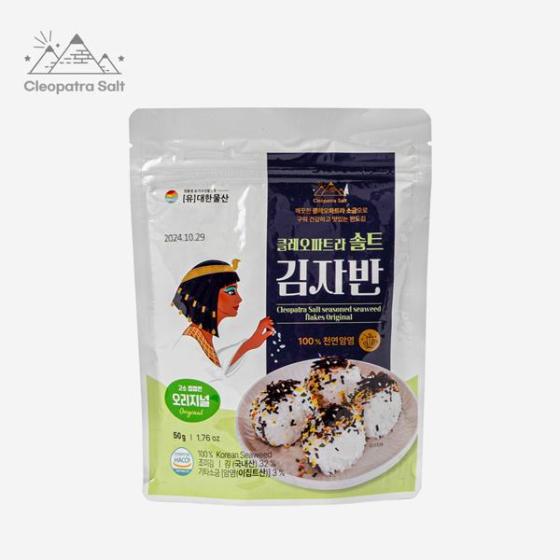
Cleopatra Salt Seasoned Seaweed Flakes
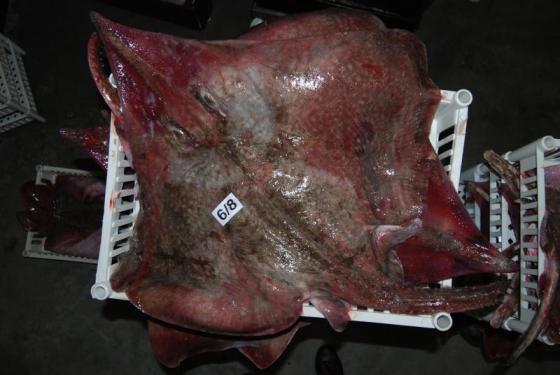
SKATE Fish

Comments
SiamSource2026-04-07
Looks like something I’d happily display, not hide.
Regtiso Network Tech2026-04-07
How long do I have to report a problem after receiving the item?
VietLinker2026-04-04
Instantly looks at home wherever I place it.
SuryaTrade2026-04-02
Do you ship internationally to all countries, or are there restrictions?